
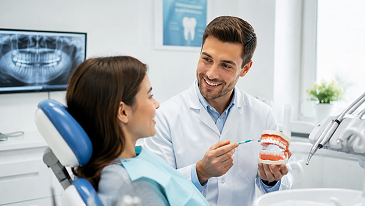
Choosing a dentist is about more than finding the closest office or selecting the first name in a search result. The right dental practice should help you feel heard, comfortable, and confident about your care—whether you need a routine cleaning, want to improve your smile, or are exploring treatment for a more complex concern.
For patients searching for a dentist in Lake Forest, CA, comparing offices can feel overwhelming. Websites may list similar services, but the patient experience can vary significantly. Asking a few thoughtful questions can make it easier to find a practice that fits your health needs, comfort preferences, schedule, and long-term goals.
This article provides general educational information and does not replace an examination or personalized advice from a licensed dentist. Patients with pain, swelling, dental trauma, or other urgent concerns should contact a dental professional promptly.
What Matters Most When Choosing a Local Dentist?
A good dentist-patient relationship begins with trust. Patients should feel comfortable describing their symptoms, asking questions, and discussing concerns about discomfort, cost, or previous dental experiences.
Clinical skill is important, but so are communication and consistency. A dental team should explain what it sees, why a treatment may be recommended, what reasonable alternatives exist, and what patients can expect before, during, and after care.
Clear, respectful communication
Dental terminology can sound complicated. A patient-friendly dentist translates clinical findings into plain language rather than expecting patients to understand technical terms on their own.
During an appointment, notice whether the dentist:
- Listens without rushing or dismissing concerns
- Explains examination or imaging findings clearly
- Invites questions before treatment begins
- Reviews alternatives when more than one option is appropriate
- Discusses expected benefits, limitations, risks, and aftercare
A recommendation should feel like a conversation, not a sales presentation. Patients should have enough information to make an informed decision and should feel comfortable requesting clarification.
A focus on prevention
Preventive care is one of the most important parts of a long-term dental relationship. Routine examinations, professional cleanings, appropriate dental imaging, oral cancer screenings, fluoride recommendations, and personalized home-care guidance can all form part of a preventive plan.
Care should also reflect the individual. For example, a patient with sensitive teeth, dry mouth, dental restorations, or a history of gum concerns may need different guidance from someone without those needs. Instead of relying on a one-size-fits-all routine, the dental team should explain an appropriate recall and home-care plan based on the examination.
Look for Services That Can Grow With Your Needs
Dental needs often change over time. A person may begin with routine preventive visits and later become interested in whitening, clear aligners, repairing a damaged tooth, or replacing a missing tooth.
Choosing a practice with a broad range of services can make it easier to maintain continuity. It may also reduce the need to explain the same dental history to multiple offices, although referrals to specialists may still be appropriate in certain situations.
Dr. Lakani Dental Care’s listed services include preventive care, porcelain veneers, teeth whitening, Invisalign and clear aligners, root canal treatment, laser dentistry, sedation dentistry, and several dental implant options. The right treatment for any patient can only be determined after an examination and, when appropriate, diagnostic imaging.
Preventive and general care
Regular care supports ongoing monitoring of the teeth, gums, bite, and existing dental work. A useful first visit should do more than identify immediate concerns. It should establish a baseline and help the patient understand priorities for maintaining oral health.
Cosmetic dentistry
Cosmetic goals are personal. One patient may want subtle stain removal, while another may want to discuss tooth shape, spacing, alignment, or a broader smile design.
A thoughtful cosmetic consultation should consider oral health, facial features, tooth proportions, durability, maintenance, and the patient’s expectations. Patients should also ask whether treatment is reversible, how restorations may age, and what ongoing care could be required.
Restorative care and dental implants
Damaged or missing teeth can affect appearance, chewing, and confidence. Depending on the clinical situation, a dentist may discuss options such as a filling, crown, root canal treatment, bridge, removable prosthesis, or dental implant.
No single choice is best for everyone. Factors such as the condition of nearby teeth, gum health, available bone, medical history, personal preferences, and budget may influence the recommendation. Implant treatment also involves distinct stages, including evaluation, placement when appropriate, soft-tissue recovery, integration of the implant with the bone, and completion of the final restoration. The schedule varies by patient and procedure, so a personalized consultation is necessary.
Consider Comfort and Dental Anxiety
Dental anxiety is common, and it can range from mild nervousness to a strong fear that makes scheduling difficult. A compassionate office will not criticize a patient for feeling anxious or for having delayed care.
Before booking, ask how the team helps nervous patients. Helpful approaches may include clear explanations, agreed-upon breaks, a stop signal, a slower pace, topical numbing, or sedation options when clinically appropriate.
If sedation is being considered, the dentist should review the patient’s health history, medications, preparation instructions, transportation needs, and recovery precautions. Sedation methods are not suitable for every person or every procedure, so individual screening matters.
Ask How the Practice Uses Dental Technology
Technology can support diagnosis, planning, patient education, and treatment efficiency, but equipment alone does not determine the quality of care. What matters is how thoughtfully the dentist uses it.
Patients can ask whether an office uses digital imaging, three-dimensional scans for selected procedures, intraoral photographs, or digital treatment-planning tools. Visual aids can make it easier to understand what the dentist sees and why a particular plan is being discussed.
A modern practice should still center its decisions on the patient. Technology should support clinical judgment and communication—not replace them.
Review Convenience, Costs, and Office Policies
Even an excellent dental office must be practical enough to visit consistently. Location, hours, appointment availability, parking, communication preferences, and emergency policies can all influence whether a practice is a good fit.
Before scheduling treatment, consider asking:
- Is the office accepting new patients?
- What should a new patient bring to the first visit?
- Does the office work with the patient’s dental benefit plan?
- Can the team provide an estimate before treatment?
- Are financing or phased treatment options available?
- How does the office handle urgent dental concerns?
- What is the cancellation or rescheduling policy?
Dental benefit plans vary in deductibles, annual limits, waiting periods, exclusions, and coverage percentages. An office may help estimate benefits, but the insurer generally makes the final coverage decision. Patients should ask for both the estimated insurance contribution and their expected out-of-pocket amount.
What to Expect at a First Dental Visit
A first appointment gives both the patient and the dental team an opportunity to establish expectations. The exact visit will depend on the person’s needs and whether there is an urgent concern.
A comprehensive new-patient visit may include:
- A review of medical history, medications, allergies, and dental concerns
- A discussion of previous experiences and comfort preferences
- An examination of the teeth, gums, bite, and existing restorations
- Dental imaging when the dentist determines it is appropriate
- A conversation about findings and priorities
- A personalized preventive or treatment plan
Not every patient will receive treatment at the first appointment. If the situation is complex, the dentist may need additional records or planning before presenting recommendations. Patients should never hesitate to ask why a test or treatment is being suggested.
Questions to Ask a Dentist Before Starting Treatment
Good questions help patients participate actively in their care. Before agreeing to a procedure, consider asking:
- What problem is the treatment intended to address?
- Are there reasonable alternatives, including monitoring when appropriate?
- What happens if treatment is postponed?
- What discomfort or temporary limitations might occur?
- What preparation and aftercare will be needed?
- How long is the restoration or result expected to last, and what affects longevity?
- What costs are included in the estimate?
A responsible dentist should answer these questions honestly. Outcomes and longevity can vary, and ethical care does not rely on unrealistic guarantees.
Frequently Asked Questions
How often should someone visit a dentist?
The appropriate schedule depends on the person’s oral health, medical history, risk factors, and current treatment needs. Some patients may be advised to visit more frequently than others. A dentist can recommend an individualized interval after an examination.
What should a patient bring to a first appointment?
Patients commonly bring identification, dental insurance information if applicable, a medication list, relevant medical details, and any recent dental records or images available from a previous office. It also helps to write down questions in advance.
Can a dentist help someone who is embarrassed about their teeth?
Yes. Dental professionals regularly see patients who have postponed care for many reasons, including fear, finances, health conditions, or busy schedules. A supportive office should focus on the next helpful step rather than judgment.
Are cosmetic dental procedures suitable for everyone?
Not necessarily. The teeth and gums may need to be evaluated before cosmetic treatment. Existing decay, gum concerns, bite issues, or damaged restorations may affect which options are appropriate. A consultation can clarify realistic choices.
How can patients compare dental treatment estimates?
Patients should confirm that estimates cover the same procedure, materials, records, follow-up care, and related services. The lowest initial price may not represent the same treatment plan. Asking for written details makes comparisons more meaningful.
When should someone contact a dentist about an urgent problem?
Patients should contact a dental office promptly when they have significant pain, swelling, trauma, a knocked-out or broken tooth, uncontrolled bleeding, or a damaged restoration causing concern. The dental team can provide guidance based on the circumstances. Symptoms affecting breathing or swallowing may require emergency medical attention.
Finding a Dentist in Lake Forest, CA
The right dental office should combine professional care with clear communication, respect, and attention to comfort. Patients benefit from choosing a dentist who takes time to understand their goals, explains options without pressure, and develops a plan suited to their needs.
Dr. Lakani Dental Care provides preventive, cosmetic, implant, and comprehensive dental services at 23321 El Toro Road, Suite B, Lake Forest, CA 92630. Patients who are looking for a dentist in Lake Forest, CA can contact the practice to ask questions or request an appointment. A consultation is the best way to receive recommendations based on an individual examination and personal goals.